

Bodybuilding is often pictured as hours spent lifting iron, chasing heavier loads, and grinding through punishing sets. While training intensity matters, your progress is shaped by far more than the exercises you perform. Muscle growth responds to a blend of biology, habit, recovery quality, and daily discipline. Many athletes stall because they focus solely on reps and programs while ignoring the quieter drivers of adaptation. If your gains have slowed or your physique refuses to shift, the explanation may lie outside the gym walls. From nutrient timing to sleep depth, these external factors silently dictate how effectively your body builds, repairs, and strengthens muscle tissue over time.
Nutrition Quality and Caloric Strategy
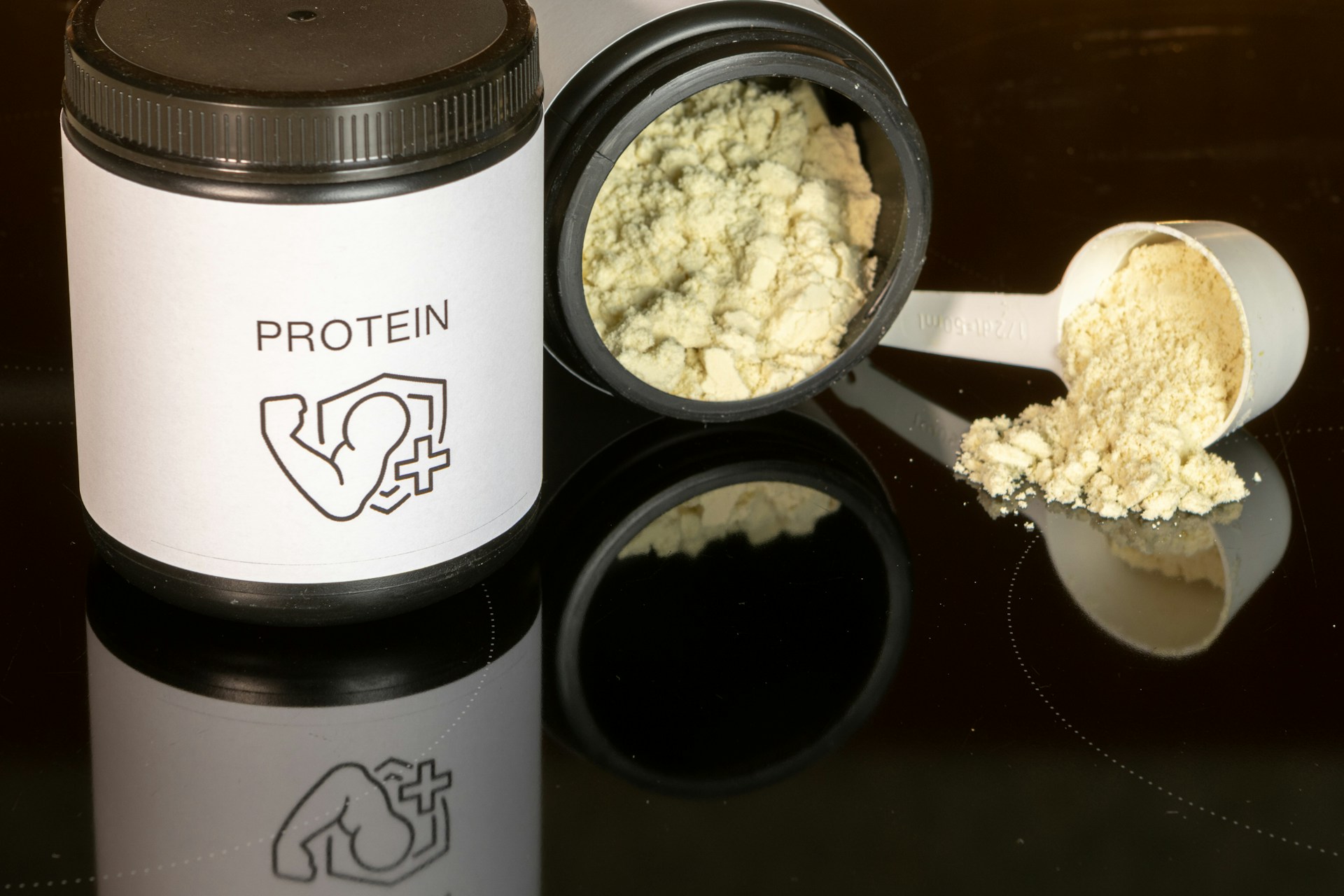 Muscle tissue is constructed from what you repeatedly place on your plate. Without adequate protein intake, the body lacks sufficient amino acids to repair fibers stressed during resistance training, which limits visible growth. Carbohydrates replenish glycogen stores that fuel heavy lifts and preserve performance across sessions, while dietary fats support hormonal stability essential for muscle development. Calorie balance further dictates direction—consistent surplus encourages size increases, whereas a controlled deficit assists fat reduction while preserving lean mass. Inconsistent eating patterns, extreme dieting phases, or neglecting micronutrients can quietly stall progress. Structured, repeatable nutrition habits create a biological environment where strength gains and muscle growth can steadily compound over time.
Sleep Depth and Recovery Cycles
Sleep acts as the biological repair window for muscle adaptation. During deeper sleep stages, the body releases growth hormone and accelerates protein synthesis, processes directly tied to rebuilding stressed muscle fibers. Insufficient or fragmented sleep reduces testosterone levels and increases cortisol, which can impair recovery and blunt strength progression. Recovery also includes programmed rest days that allow muscle groups to rebuild before being challenged again. Training intensely without adequate downtime often results in fatigue accumulation rather than new growth. Establishing consistent sleep hours, reducing screen exposure before bed, and creating a calm nighttime routine enhances recovery quality and supports steady improvements in muscle size and performance.
Hormonal Balance and Stress Management
Hormones govern how effectively the body responds to training stimulus. Testosterone, growth hormone, and insulin-like growth factor contribute to muscle repair and tissue growth, while chronic elevations in cortisol can counteract those processes. Persistent psychological or physical stress may shift the body into a catabolic state that slows muscle gain and increases fat retention. Stress does not originate solely from workouts; work demands, financial pressure, and emotional strain all influence hormonal output. Incorporating stress-reduction practices such as controlled breathing, light recreational activity, or structured downtime can stabilize hormone levels and improve recovery efficiency. A calmer internal environment allows training stimulus to translate more effectively into visible muscular development.
Daily Movement and Lifestyle Activity

Total daily energy expenditure extends beyond scheduled gym sessions. Everyday movement—walking, standing, commuting, and routine tasks—contributes significantly to calorie burn and influences body composition outcomes. Individuals with higher daily activity levels may require greater caloric intake to sustain muscle gain, while those with sedentary routines might accumulate fat more easily despite identical training programs. Adjusting step count or incorporating light movement outside workouts can refine results without excessive cardio sessions. Awareness of overall activity patterns helps align calorie intake with goals, preventing unintended plateaus. Over weeks and months, small lifestyle adjustments compound into noticeable differences in muscle definition and overall physique progression.
Program Adherence and Long-Term Consistency
Sustained progress relies heavily on consistent execution of a structured training plan. Progressive overload—gradually increasing weight, repetitions, or training volume—stimulates adaptation, but this principle requires repetition over time. Frequently switching programs or skipping sessions interrupts this stimulus and limits measurable improvement. Consistency also shapes skill development, allowing improved technique and more efficient muscle recruitment. Realistic goal setting supports adherence by creating achievable performance markers that maintain motivation. Tracking workouts, monitoring strength increases, and maintaining patience foster steady advancement. Muscle growth reflects accumulated effort applied consistently rather than sporadic bursts of intensity.
Bodybuilding outcomes depend on more than effort exerted during workouts. Nutrition quality fuels muscle repair, sleep amplifies recovery processes, hormonal balance shapes adaptation, daily movement influences energy balance, and consistent adherence drives progressive improvement. When these five elements align, the body responds more efficiently to resistance training, reducing plateaus and accelerating visible results. Sustainable muscle growth emerges from disciplined habits maintained beyond the gym floor, reinforcing the idea that long-term transformation is constructed through daily choices as much as through lifted weights.