
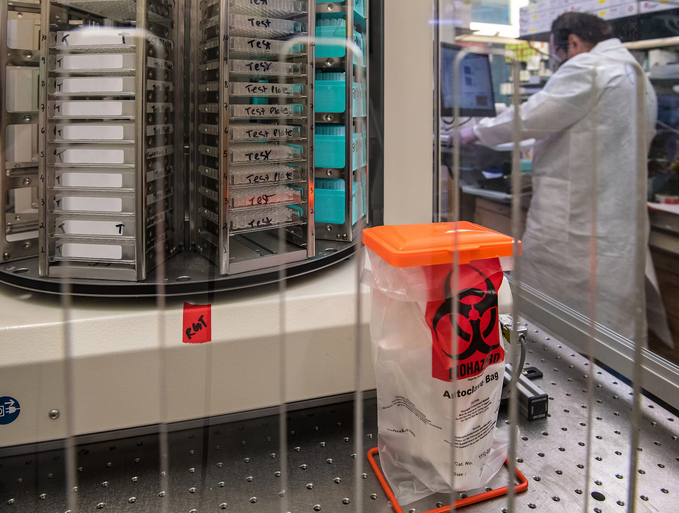
Biohazards are biological substances that pose a threat to human health or the environment. They can come from living organisms or their products, such as bacteria, viruses, toxins, and biological materials that can cause harm if exposed to humans. Understanding the types and risks associated with BioHazard Cleanup is crucial for safeguarding public health and implementing effective safety measures.
Types of Biohazards
Biological Agents
Biological agents include bacteria, viruses, fungi, parasites, and prions. These microorganisms can cause infections, diseases, and allergic reactions in humans. Examples include E. coli, influenza virus, anthrax bacteria, and malaria parasites.
Bloodborne Pathogens
Bloodborne pathogens are infectious microorganisms found in human blood and other bodily fluids. They can be transmitted through direct contact with infected blood or bodily fluids and can cause diseases such as HIV/AIDS, Hepatitis B, and Hepatitis C.
Toxins
Toxins are poisonous substances produced by living organisms, such as plants, animals, bacteria, and fungi. They can cause illness or death when absorbed, ingested, or inhaled. Examples include botulinum toxin produced by bacteria and aflatoxins produced by fungi.
Medical Waste
Medical waste includes materials generated in healthcare settings that may contain infectious agents or biohazardous substances. Improper disposal of medical waste can lead to the spread of infections and pose risks to waste handlers and the community.
Risks to Human Health
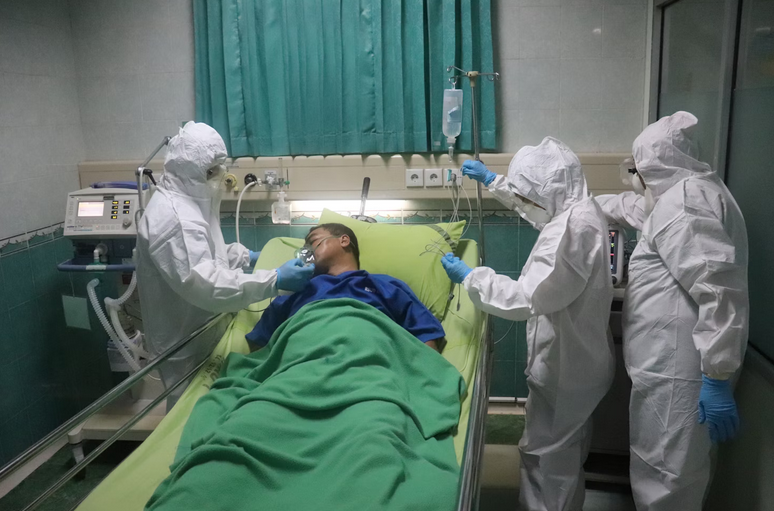
Biohazards pose several risks to human health, depending on the type of biohazard and the route of exposure:
- Infections and Diseases: Exposure to pathogenic microorganisms can lead to infections and diseases. For example, bacteria can cause skin infections, respiratory illnesses, or foodborne diseases.
- Allergic Reactions: Some biohazards, such as certain proteins or allergens from plants or animals, can trigger allergic reactions in susceptible individuals.
- Toxic Reactions: Exposure to toxins produced by microorganisms or plants can result in toxic reactions, affecting organs such as the liver, kidneys, or nervous system.
- Bloodborne Pathogen Transmission: Bloodborne pathogens can be transmitted through needlestick injuries, contaminated sharps, or contact with infected blood or bodily fluids, leading to serious infections.
Preventive Measures for Biohazards
Engineering Controls
Implementing engineering controls such as ventilation systems, biosafety cabinets, and sharps disposal containers to minimize exposure to biohazards in workplaces or healthcare settings.
Administrative Controls
Developing and implementing policies, procedures, and training programs to educate workers and the public about biohazard risks and safe handling practices.
Personal Protective Equipment (PPE)
Use appropriate PPE such as gloves, masks, gowns, and eye protection to protect against exposure to biohazards and reduce the risk of infection or injury.
Understanding the types and risks associated with biohazards is essential for protecting human health and preventing the spread of infections and diseases. By implementing effective safety measures, educating individuals, and adhering to regulatory standards, communities and workplaces can mitigate the risks posed by biohazards and promote a safer environment for all. Stay informed, stay safe.
…

 Depression is a serious mental health disorder that should never be taken lightly. Untreated depression can lead to thoughts of suicide or a lack of willingness to live. People with depression are at an increased risk for suicide and should be monitored closely if they are exhibiting any signs of suicidal thinking or behavior.