
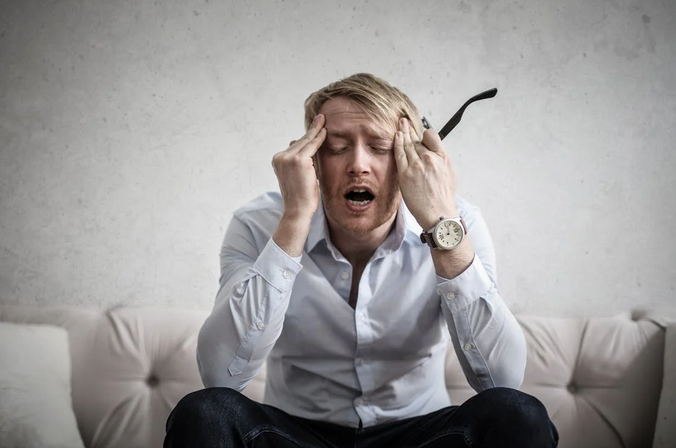
Managing stress has become an important part of maintaining overall health. Busy work schedules, family responsibilities, financial concerns, and constant digital connectivity can all contribute to physical and mental strain. As a result, many people are searching for practical wellness approaches that fit into their daily routines. Alongside exercise, balanced nutrition, quality sleep, and mindfulness practices, red light therapy has attracted growing attention. This technology uses specific wavelengths of red and near-infrared light to expose the body to controlled levels of light energy. Researchers continue studying how these wavelengths interact with cells and tissues, while wellness professionals explore their potential role in supporting relaxation and recovery. Understanding why red light therapy is being explored for stress management helps explain why it has become part of many modern wellness discussions.
Understanding Stress Responses
Stress affects more than emotions alone. It also influences physical systems throughout the body. During stressful situations, the body activates natural responses that prepare a person to react quickly. Heart rate may increase, muscles tighten, and stress hormones become more active. While these responses are helpful during short-term challenges, prolonged stress can make recovery more difficult. Persistent tension may affect sleep quality, energy levels, concentration, and overall well-being. Because stress involves multiple body systems, many wellness approaches focus on supporting relaxation rather than addressing only emotional symptoms. This broader perspective has encouraged researchers to investigate various complementary wellness technologies, including red light therapy.
Exploring Cellular Activity
One reason red light therapy continues to receive scientific attention is its interaction with cells. Researchers studying photobiomodulation have investigated how red and near-infrared wavelengths influence cellular energy production. These wavelengths may interact with mitochondria, the structures responsible for producing energy inside cells. Scientists continue examining whether this activity supports normal cellular function under certain conditions. Although research remains ongoing, these biological effects have encouraged further investigation into broader wellness applications. Current studies continue evaluating different treatment protocols, wavelengths, and exposure times. Researchers emphasize that additional evidence is still needed to fully understand the relationship between red light therapy and stress-related outcomes.
Supporting Relaxation Routines
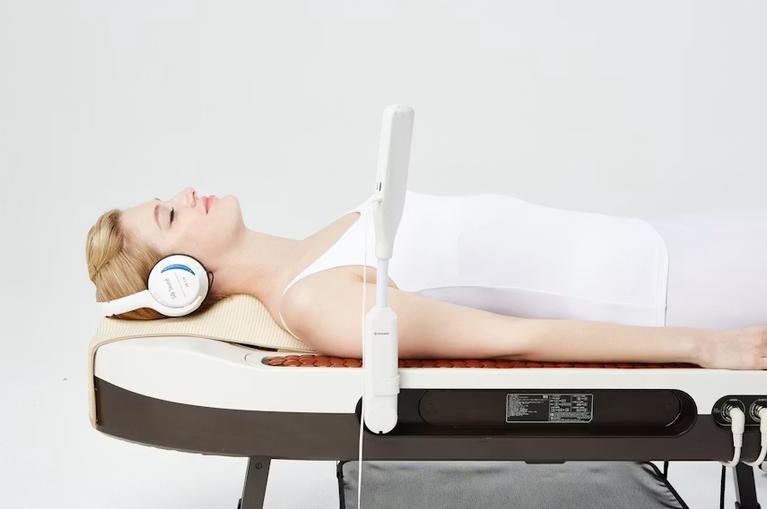
Many people who use red light therapy include it within broader relaxation routines rather than relying on it alone. Sessions are often scheduled alongside meditation, gentle stretching, breathing exercises, or quiet reading. The treatment itself is generally calm and requires minimal physical effort. Individuals simply sit or stand near an approved device for a recommended period while the light reaches targeted areas of the body. The quiet environment associated with these sessions may encourage moments of rest during otherwise busy days. Creating consistent relaxation habits is already recognized as an important part of stress management. Red light therapy may fit naturally into these routines because it provides dedicated time away from daily distractions.
Encouraging Healthy Recovery
Stress and recovery are closely connected. After periods of physical or mental effort, the body benefits from opportunities to rest and restore normal function. Without sufficient recovery, ongoing stress may become more difficult to manage. Many wellness professionals encourage recovery through …