
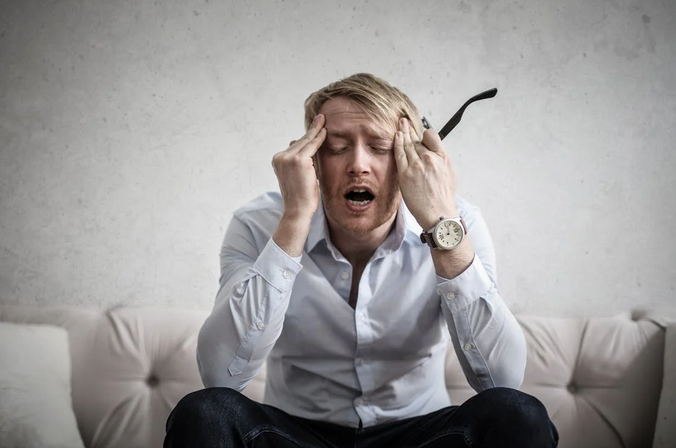
Managing stress has become an important part of maintaining overall health. Busy work schedules, family responsibilities, financial concerns, and constant digital connectivity can all contribute to physical and mental strain. As a result, many people are searching for practical wellness approaches that fit into their daily routines. Alongside exercise, balanced nutrition, quality sleep, and mindfulness practices, red light therapy has attracted growing attention. This technology uses specific wavelengths of red and near-infrared light to expose the body to controlled levels of light energy. Researchers continue studying how these wavelengths interact with cells and tissues, while wellness professionals explore their potential role in supporting relaxation and recovery. Understanding why red light therapy is being explored for stress management helps explain why it has become part of many modern wellness discussions.
Understanding Stress Responses
Stress affects more than emotions alone. It also influences physical systems throughout the body. During stressful situations, the body activates natural responses that prepare a person to react quickly. Heart rate may increase, muscles tighten, and stress hormones become more active. While these responses are helpful during short-term challenges, prolonged stress can make recovery more difficult. Persistent tension may affect sleep quality, energy levels, concentration, and overall well-being. Because stress involves multiple body systems, many wellness approaches focus on supporting relaxation rather than addressing only emotional symptoms. This broader perspective has encouraged researchers to investigate various complementary wellness technologies, including red light therapy.
Exploring Cellular Activity
One reason red light therapy continues to receive scientific attention is its interaction with cells. Researchers studying photobiomodulation have investigated how red and near-infrared wavelengths influence cellular energy production. These wavelengths may interact with mitochondria, the structures responsible for producing energy inside cells. Scientists continue examining whether this activity supports normal cellular function under certain conditions. Although research remains ongoing, these biological effects have encouraged further investigation into broader wellness applications. Current studies continue evaluating different treatment protocols, wavelengths, and exposure times. Researchers emphasize that additional evidence is still needed to fully understand the relationship between red light therapy and stress-related outcomes.
Supporting Relaxation Routines
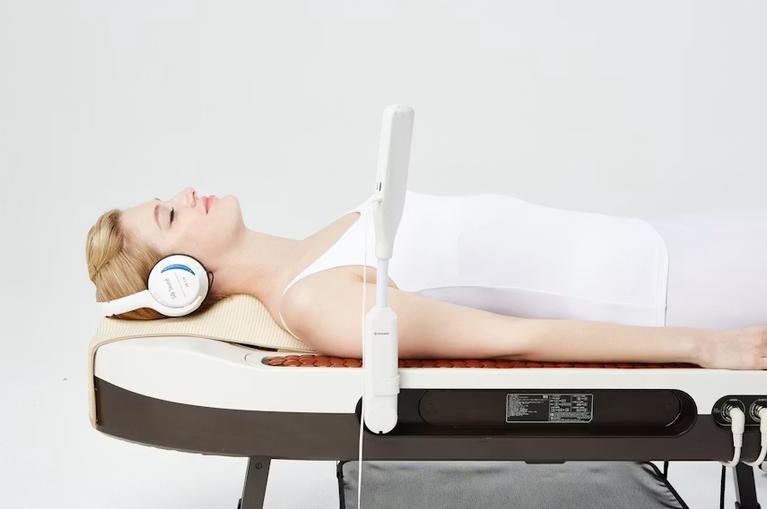
Many people who use red light therapy include it within broader relaxation routines rather than relying on it alone. Sessions are often scheduled alongside meditation, gentle stretching, breathing exercises, or quiet reading. The treatment itself is generally calm and requires minimal physical effort. Individuals simply sit or stand near an approved device for a recommended period while the light reaches targeted areas of the body. The quiet environment associated with these sessions may encourage moments of rest during otherwise busy days. Creating consistent relaxation habits is already recognized as an important part of stress management. Red light therapy may fit naturally into these routines because it provides dedicated time away from daily distractions.
Encouraging Healthy Recovery
Stress and recovery are closely connected. After periods of physical or mental effort, the body benefits from opportunities to rest and restore normal function. Without sufficient recovery, ongoing stress may become more difficult to manage. Many wellness professionals encourage recovery through healthy sleep habits, balanced nutrition, hydration, regular movement, and relaxation practices. Red light therapy is increasingly being explored as one additional component within this broader recovery approach. Researchers continue investigating whether supporting normal cellular processes may contribute to recovery following everyday physical demands. While scientific understanding continues developing, many users appreciate the opportunity to include structured relaxation sessions within their wellness routines.
Expanding Home Wellness Options
Advances in technology have made red light therapy more accessible than ever before. Years ago, treatments were primarily available in specialized clinics or professional wellness facilities. Today, many home devices allow users to schedule sessions at their convenience. This accessibility supports regular wellness habits because individuals no longer need appointments to use the technology. Home panels, handheld devices, and wearable systems offer different options depending on personal preferences and available space. Convenient access also encourages consistency. Like many wellness practices, regular use often becomes easier when integrated into familiar daily routines. Home availability has therefore contributed to growing public interest in exploring red light therapy for general well-being.
Practicing Responsible Use
Growing popularity should always be balanced with realistic expectations. Although scientific research continues expanding, red light therapy should not replace professional medical care or established treatments for diagnosed mental health conditions. Individuals experiencing ongoing stress, anxiety, depression, or other emotional concerns should seek guidance from qualified healthcare providers. Red light therapy may complement healthy lifestyle practices, but it should never substitute professional evaluation or evidence-based treatment when medical care is needed. Choosing reputable devices and following manufacturer instructions also remain important. Responsible use helps users safely include the technology within broader wellness routines while recognizing its current scientific limitations.
Red light therapy is being explored for stress management because of growing scientific interest in cellular activity, its ability to complement relaxation routines, its potential role in supporting recovery, increasing accessibility through home devices, and expanding interest in preventive wellness practices. These factors have encouraged researchers and consumers alike to examine how the technology may fit into healthy daily lifestyles. Understanding why red light therapy is being explored for stress management highlights the importance of approaching wellness through multiple supportive habits rather than relying on a single solution. Healthy nutrition, regular exercise, quality sleep, mindfulness, and responsible use of emerging wellness technologies all contribute to a balanced lifestyle. As scientific research continues to develop, red light therapy will likely remain an area of interest for individuals seeking additional ways to support everyday well-being.